
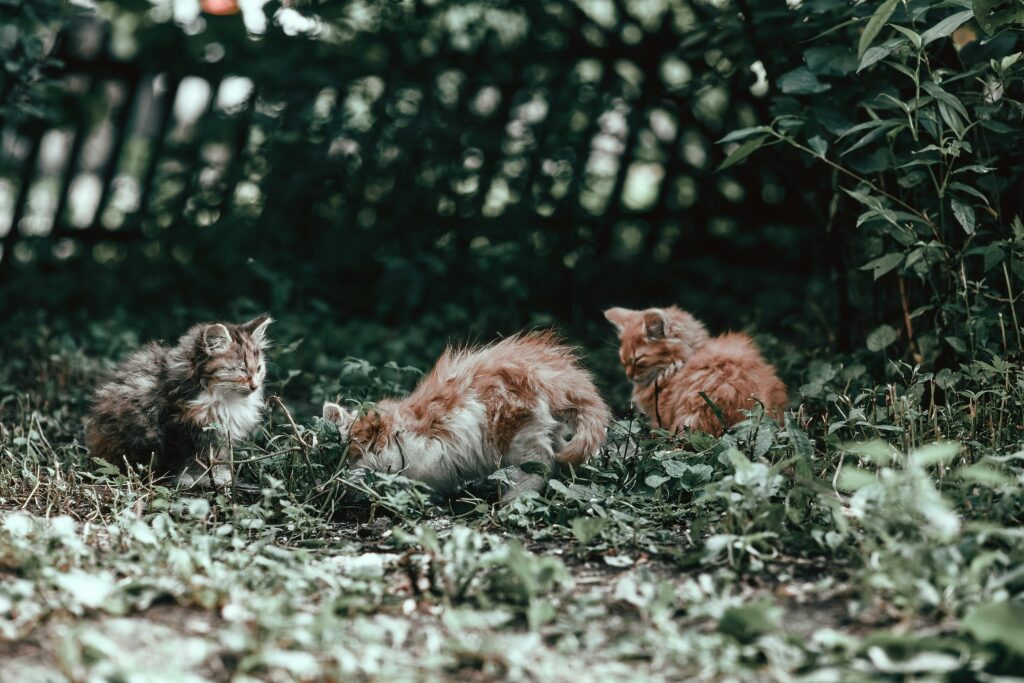
Introduction: The Journey of a Wegie Kitten
For a breeder of Norwegian Forest Cats, the most rewarding experience is watching tiny newborn kittens grow into confident, majestic companions. Raising Norwegian Forest Cat kittens is a delicate process that blends science, instinct, patience, and love. From the moment they are born to the day they leave for their forever homes, every stage of development matters.
This article takes an in-depth look at how responsible breeders raise Norwegian Forest Cat kittens and why those early weeks shape the cat’s lifelong health and temperament.
The First Weeks: Birth and Early Development
Norwegian Forest Cat kittens are born small and vulnerable, relying entirely on their mother for warmth, nourishment, and protection. During the first two weeks, breeders closely monitor weight gain, nursing behavior, and overall vitality.
The breeder’s role during this stage includes:
- Ensuring a calm, clean environment
- Monitoring the mother’s health and milk production
- Checking kittens daily for proper growth
Minimal handling occurs initially, but gentle human interaction helps kittens become accustomed to touch and scent.
Socialization: Building Confident Cats
Socialization is one of the most critical responsibilities of a Norwegian Forest Cat breeder. Between weeks 3 and 12, kittens experience rapid cognitive and emotional development. Ethical breeders expose kittens to household sounds, gentle handling, and human interaction to build confidence and reduce fearfulness.
This process helps ensure that kittens grow into:
- Friendly, affectionate companions
- Adaptable cats comfortable with new environments
- Well-adjusted pets suitable for families
Norwegian Forest Cats are known for their calm, intelligent nature, and proper early socialization enhances these traits.
Nutrition and Growth
Proper nutrition is essential for healthy development. Breeders carefully select high-quality diets tailored to growing kittens, ensuring balanced protein, fats, and essential nutrients. As kittens transition from nursing to solid food, breeders guide this process gradually to avoid digestive issues.
Growth is monitored weekly, and any concerns are addressed promptly with veterinary guidance.
Health Care and Veterinary Oversight
Responsible breeders work closely with veterinarians throughout a kitten’s development. This includes:
- Routine health checks
- Vaccination schedules
- Parasite prevention
- Early detection of potential concerns
Health records are meticulously maintained and provided to new owners, offering transparency and peace of mind.
Preparing Kittens for Their Forever Homes
Before leaving the breeder, Norwegian Forest Cat kittens are typically:
- Litter trained
- Well-socialized
- Vet-checked and vaccinated
- Microchipped or identified
Breeders also prepare kittens emotionally by gradually introducing short periods of separation from their mother, helping them transition more easily to new homes.
Matching Kittens with the Right Families
Ethical breeders don’t simply place kittens with the first interested buyer. They carefully match each kitten’s personality with the lifestyle of potential owners. Active kittens may thrive in busy households, while calmer kittens may suit quieter environments.
This thoughtful matching helps ensure lifelong success for both cat and owner.
Conclusion: A Foundation for Life
Raising Norwegian Forest Cat kittens is a deeply rewarding process built on care, knowledge, and commitment. Responsible breeders understand that the work they do in those first few months shapes the cat’s entire future. By prioritizing health, socialization, and education, breeders give each kitten the best possible start in life.