
Introduction: More Than Just Breeding Cats
Being a breeder of Norwegian Forest Cats is not simply about producing kittens—it is about preserving a living piece of history. These majestic cats, known for their thick coats, gentle temperaments, and striking appearance, carry centuries of natural evolution and cultural heritage. Ethical breeders act as guardians of the breed, ensuring that each generation reflects the health, beauty, and personality that make Norwegian Forest Cats so beloved worldwide.
This article explores what it truly means to be a breeder of Norwegian Forest Cats, from the breed’s fascinating origins to the responsibilities and dedication required to do it right.
The Origins of the Norwegian Forest Cat
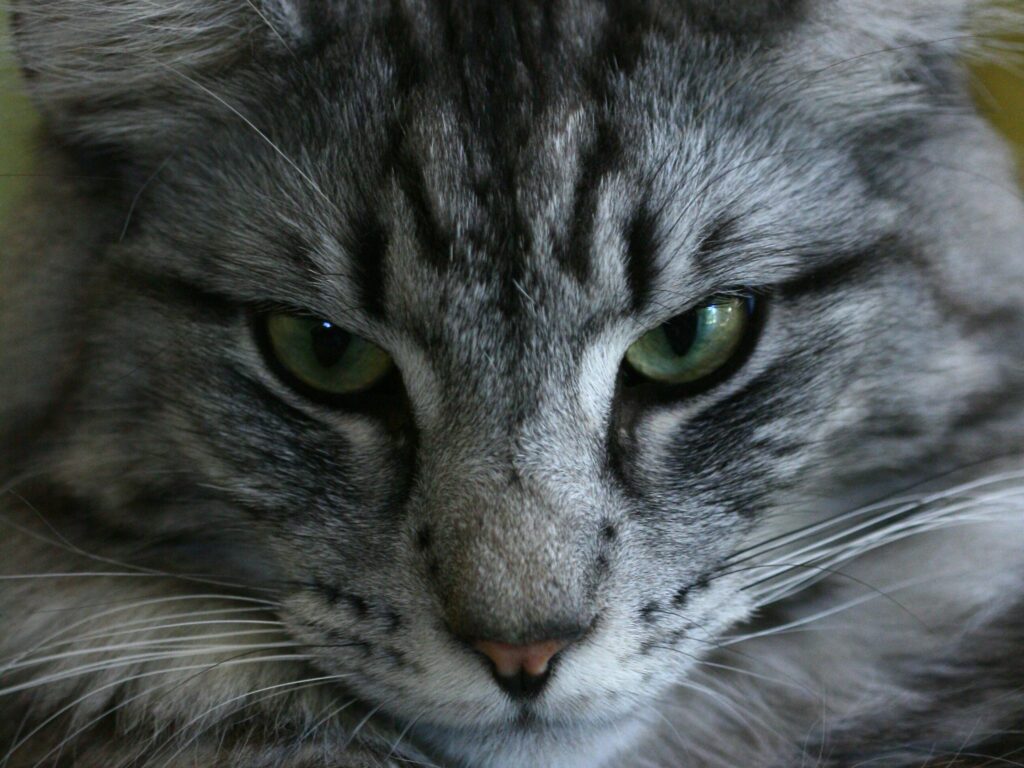
Norwegian Forest Cats, often affectionately called “Wegies,” originated in the forests of Norway, where they evolved naturally to survive harsh Scandinavian winters. Their dense double coats, tufted ears, bushy tails, and strong bodies allowed them to thrive in cold climates and rugged terrain.
Historically, these cats were valued companions on farms and ships, prized for their hunting abilities and resilience. Norse folklore even features large, magical cats believed to resemble today’s Norwegian Forest Cat. Unlike many modern breeds, Wegies were not selectively bred for appearance alone—they are a natural breed shaped by environment and survival.
As modernization threatened their population in the early 20th century, dedicated enthusiasts stepped in to protect the breed, laying the foundation for responsible breeding programs that continue today.
The Role of a Norwegian Forest Cat Breeder
A breeder’s role goes far beyond pairing cats and raising kittens. Ethical breeders are deeply invested in:
- Preserving breed standards
- Improving genetic health
- Maintaining temperament consistency
- Educating future owners
Every breeding decision is intentional. From selecting compatible bloodlines to planning litters years in advance, reputable breeders prioritize quality over quantity. Their goal is not mass production, but thoughtful stewardship of the breed.
Passion Meets Responsibility
True breeders are driven by passion—but passion alone is not enough. Breeding Norwegian Forest Cats responsibly requires:
- Extensive knowledge of feline genetics
- Awareness of hereditary conditions
- Ongoing veterinary partnerships
- Time, financial investment, and emotional commitment
Kittens are raised in home environments, socialized daily, and carefully monitored during critical developmental stages. Ethical breeders often keep kittens for 12–16 weeks before placement to ensure proper social and physical growth.
Ethical Breeding Practices
Responsible breeders adhere to strict ethical guidelines. This includes health testing for genetic conditions known to affect Norwegian Forest Cats, such as hypertrophic cardiomyopathy (HCM). Breeding cats are screened, monitored, and retired appropriately to protect their wellbeing.
Additionally, ethical breeders limit the number of litters per cat and ensure queens have ample recovery time between pregnancies. Cats are not treated as commodities but as cherished members of the household.
Educating and Supporting New Owners
A hallmark of a quality breeder is ongoing support. Reputable breeders carefully vet potential owners and provide guidance on nutrition, grooming, health care, and behavior. Many require contracts that include spay/neuter agreements and lifelong return policies, ensuring that no cat ever ends up abandoned.
This commitment reflects the breeder’s dedication not just to their cats—but to the breed’s future.
Conclusion: Guardians of a Living Legacy
Being a breeder of Norwegian Forest Cats is a labor of love rooted in history, ethics, and responsibility. These breeders are more than caretakers—they are protectors of a natural treasure. Through careful breeding, education, and unwavering dedication, they ensure that the Norwegian Forest Cat continues to thrive for generations to come.